
Cat Breeds Compared by Size: 30 Breeds, Small to Large
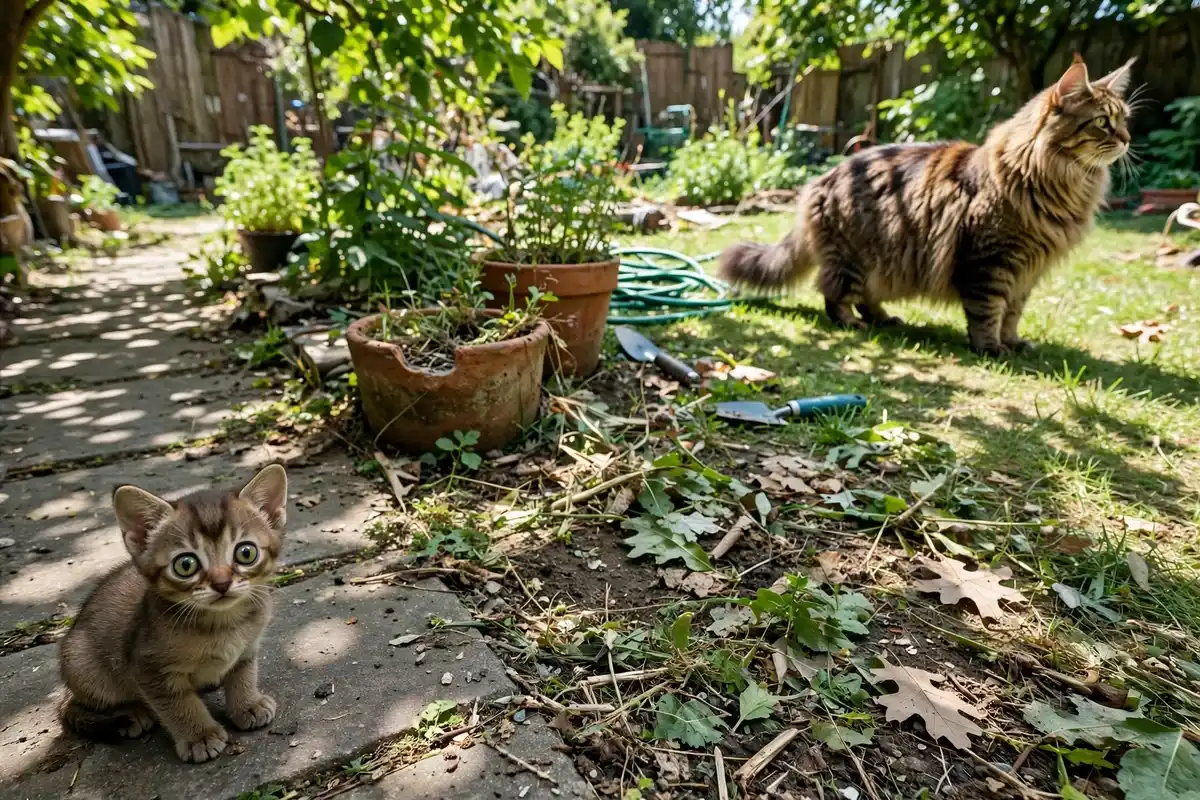
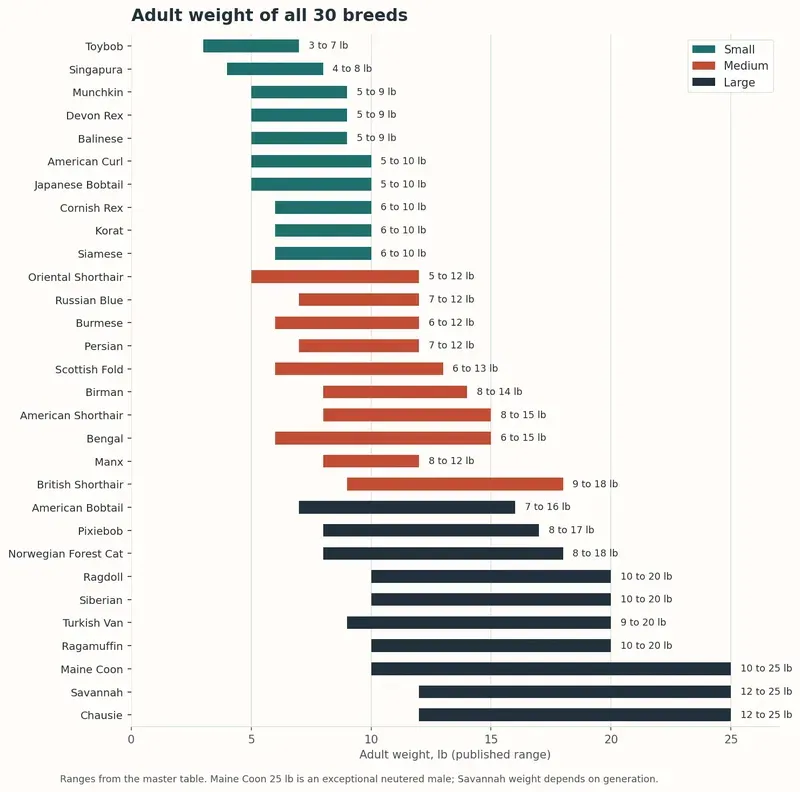
The domestic cat is one species with a remarkable size range. At one end sits the Toybob, a healthy adult that can weigh as little as 3 lb. At the other end sits the Maine Coon, whose largest males are recorded at weights up to 25 lb. That difference changes daily life in practical ways.
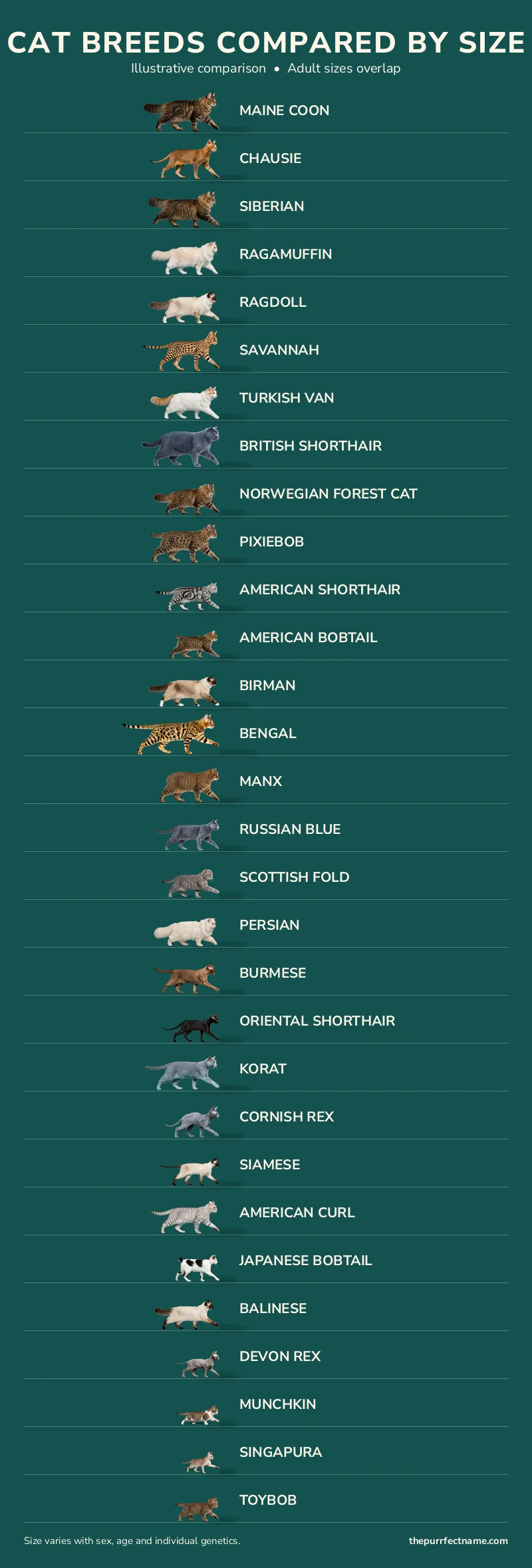
This guide compares 30 cat breeds by size, with weights in lb and kg, split by sex where a source states it, and height and length where a source publishes them. Where sources disagree, both figures are shown. Every breed name links to its full profile.
How to Read the Size Chart
Size is four measurements, not one. Weight is the most comparable number, and all weights here are for healthy adults, with kg as conversions from lb. Height at the shoulder separates the Munchkin, at 5 to 7 in, from the Savannah, at 14 to 17 in. Body length means nose to tail base, while total length includes the tail. Build and coat change how big a cat looks.
Males average 15 to 20 percent heavier than females. Small breeds finish growing around 9 to 12 months, medium breeds at 12 to 18 months, and large breeds keep filling out for years. Size bands are editorial labels, no registry publishes them: small means under 10 lb, medium 8 to 15 lb, and large over 12 lb. Bands overlap, and cats vary by 20 to 30 percent within a breed.
Cat Breed Size Comparison Chart: All 30 Breeds at a Glance
| Breed | Size band | Adult weight, lb | Adult weight, kg | Height / length |
|---|---|---|---|---|
| Singapura | Small | 4 to 8 (females 5 to 6, males 6 to 8) | 1.8 to 3.6 | 6 to 8 in; 9 to 12 in |
| Toybob | Small | 3 to 7 | 1.4 to 3.2 | 7 to 8 in |
| Munchkin | Small | 5 to 9 | 2.3 to 4.1 | 5 to 7 in |
| Devon Rex | Small | 5 to 9 (females 5 to 7, males 7 to 9) | 2.3 to 4.1 | 13 to 16 in body |
| Cornish Rex | Small | 6 to 10 | 2.7 to 4.5 | 8 to 12 in; 12 to 17 in |
| American Curl | Small | 5 to 10 | 2.3 to 4.5 | 9 to 12 in; 16 to 21 in |
| Japanese Bobtail | Small | 5 to 10 | 2.3 to 4.5 | 8 to 9 in; 13 to 15 in |
| Korat | Small | 6 to 10 | 2.7 to 4.5 | 9 to 13 in |
| Siamese | Small | 6 to 10 | 2.7 to 4.5 | 8 to 10 in; 11.5 to 14 in |
| Balinese | Small | 5 to 9 | 2.3 to 4.1 | 8 to 11 in |
| Oriental Shorthair | Medium | Females 5 to 8, males 8 to 12 | 2.3 to 5.4 | 8 to 10 in |
| Bengal | Medium to large | Females 6 to 12, males 9 to 15 | 2.7 to 6.8 | 14 to 18 in; body 16 to 20 in |
| British Shorthair | Medium to large | Females 8 to 11, males 10 to 16; overall 9 to 18 | 3.6 to 8.2 | 12 to 14 in |
| American Shorthair | Medium | 8 to 15 | 3.6 to 6.8 | 8 to 10 in |
| Russian Blue | Medium | 7 to 12 | 3.2 to 5.4 | 15 to 18 in body |
| Burmese | Medium | 6 to 12 | 2.7 to 5.4 | 14 to 18 in body |
| Persian | Medium | 7 to 12 | 3.2 to 5.4 | 8 to 10 in; length 14 to 18 in body |
| Scottish Fold | Medium | 6 to 13 | 2.7 to 5.9 | 14 to 17 in body |
| Manx | Medium | 8 to 12 | 3.6 to 5.4 | 10 to 12 in |
| Birman | Medium to large | 8 to 14 | 3.6 to 6.4 | 15 to 18 in body |
| Maine Coon | Large | Females 12 to 15, males 18 to 22 (TICA profile); overall published span 10 to 25 | 4.5 to 11.3 | 10 to 16 in; to 40 in nose to tail tip |
| Savannah | Large | 12 to 25 by generation; F1/F2 heaviest, F4/F5 11 to 18 | 5.4 to 11.3 | 14 to 17 in; up to 17 in tall |
| Norwegian Forest Cat | Large | Females 8 to 12, males 12 to 18 | 3.6 to 8.2 | 9 to 12 in |
| Ragdoll | Large | Females 10 to 15, males 15 to 20 | 4.5 to 9.1 | 9 to 11 in; 17 to 21 in body |
| Siberian | Large | 10 to 20 (males 15 to 20, females 10 to 15) | 4.5 to 9.1 | 9 to 11 in (Trupanion); 11 to 14 in (Adopt-a-Pet) |
| Turkish Van | Large | 9 to 20 (males 12 to 18, females 7 to 12) | 4.1 to 9.1 | 9 to 11 in (Trupanion); 10 to 12 in (Adopt-a-Pet) |
| Ragamuffin | Large | 10 to 20 (males 14 to 20, females 10 to 15) | 4.5 to 9.1 | 10 to 12 in |
| Chausie | Large | 12 to 25 (typical male about 15, up to 26) | 5.4 to 11.3 | 14 to 18 in; 14 to 16 in (Adopt-a-Pet) |
| Pixiebob | Large | 8 to 17 (up to 17) | 3.6 to 7.7 | 13 to 17 in |
| American Bobtail | Large, borderline | 7 to 16 | 3.2 to 7.3 | 8 to 10 in; length 17 to 19 in |
Small Cat Breeds (Under 10 lb)
Small means an adult weight typically under 10 lb. Small does not mean low energy: a 6 lb Siamese can demand far more attention than a 15 lb Ragdoll. Small cats fit standard equipment, but they need protection from rough handling.
Singapura
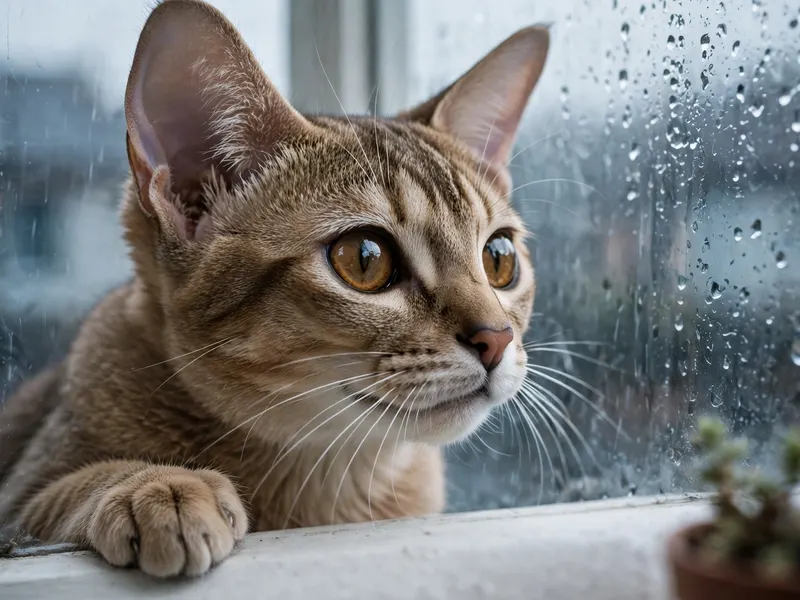
The smallest recognized breed, according to TICA, at 4 to 8 lb, with big eyes and bigger curiosity.
Toybob
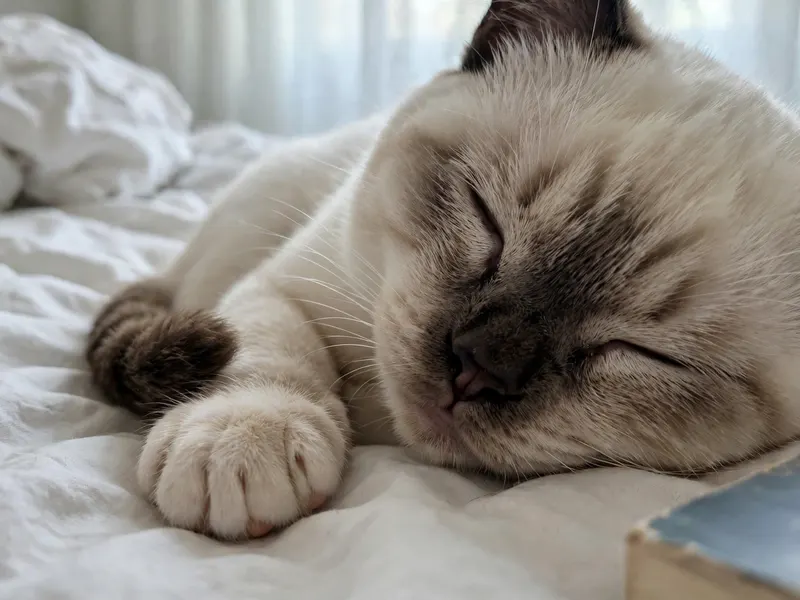
The lightest breed in this guide, compact and notably calm, at just 3 to 7 lb. All four main sources agree on that range, and TICA granted championship status in 2022.
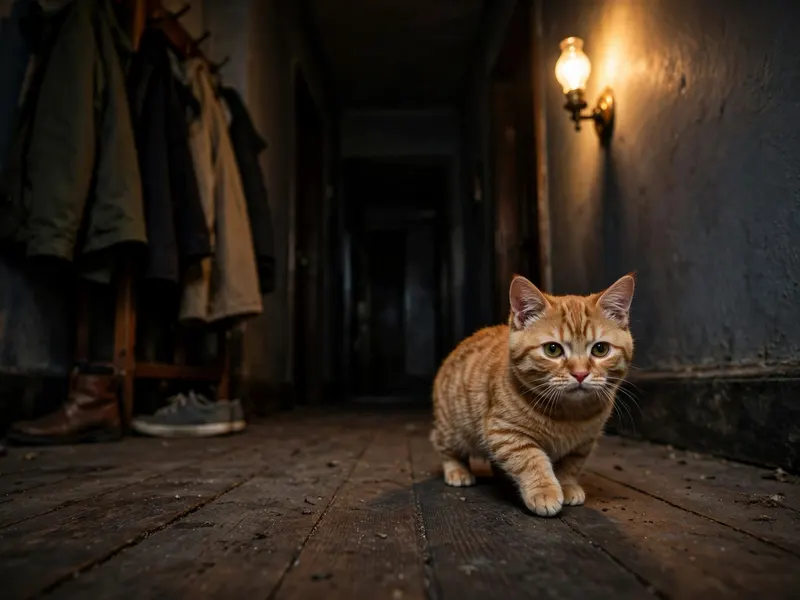
Munchkin
Short legs on a normal-length body, standing just 5 to 7 in tall at the shoulder. The lower bound is disputed, with sources giving 4, 5, or 6 lb.

Devon Rex
A small, slender breed, famously people attached, weighing 5 to 9 lb as an adult. One source gives a top of 10 lb, against the consensus of 9 lb.
| Breed | Adult weight, lb | Adult weight, kg |
|---|---|---|
| Singapura | 4 to 8 (females 5 to 6, males 6 to 8) | 1.8 to 3.6 |
| Toybob | 3 to 7 | 1.4 to 3.2 |
| Munchkin | 5 to 9 | 2.3 to 4.1 |
| Devon Rex | 5 to 9 (females 5 to 7, males 7 to 9) | 2.3 to 4.1 |
| Cornish Rex | 6 to 10 | 2.7 to 4.5 |
| American Curl | 5 to 10 | 2.3 to 4.5 |
| Japanese Bobtail | 5 to 10 | 2.3 to 4.5 |
| Korat | 6 to 10 | 2.7 to 4.5 |
| Siamese | 6 to 10 | 2.7 to 4.5 |
| Balinese | 5 to 9 | 2.3 to 4.1 |
The Siamese is published at 6 to 10 lb as typical, though spans run from 5 to 12 lb. The Balinese is given at 5 to 9 lb; one weak source lists 8 to 15 lb and is not used.
Medium Cat Breeds (8 to 15 lb)
Medium is the broad middle, typically 8 to 15 lb, and it is the band with the most overlap. A medium breed can be a compact 7 lb Russian Blue or a stocky 16 lb male British Shorthair.
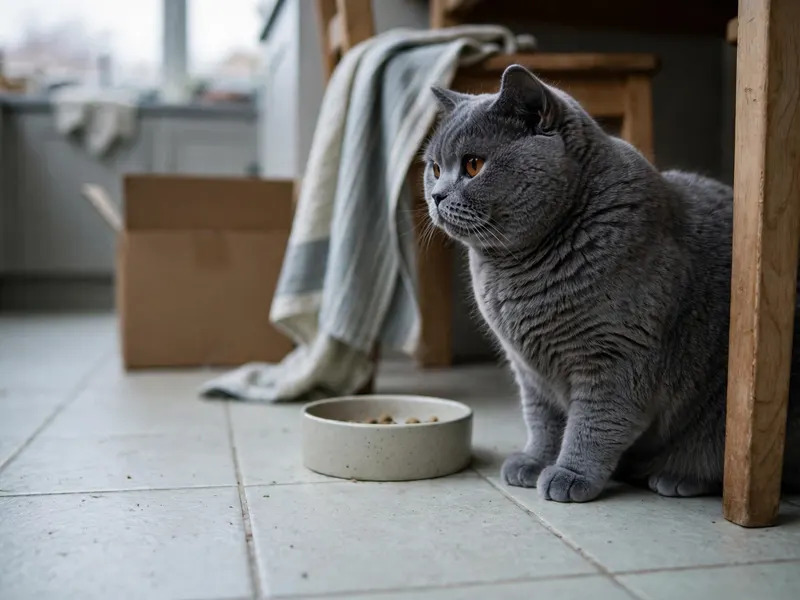
British Shorthair
A stocky, compact breed with the widest weight spread of any medium breed. TICA gives females at 8 to 11 lb and males at 10 to 16 lb.
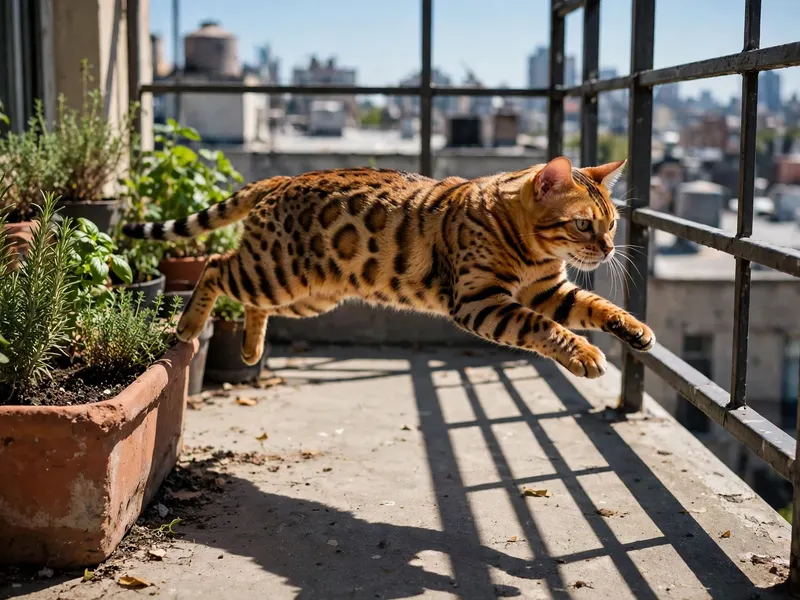
Bengal
Long and athletic, 14 to 18 in long, with a body length of 16 to 20 in. One chart lists 12 to 18 lb, an outlier, and is not used.
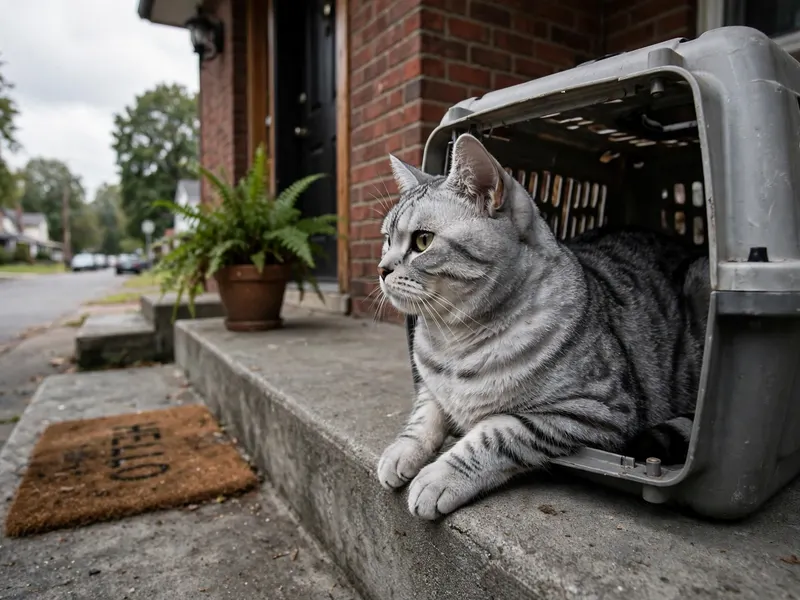
American Shorthair
Sturdy and even tempered, a solid medium breed at 8 to 15 lb. Some sources give a lower bound of 10 lb, against 8 lb elsewhere.
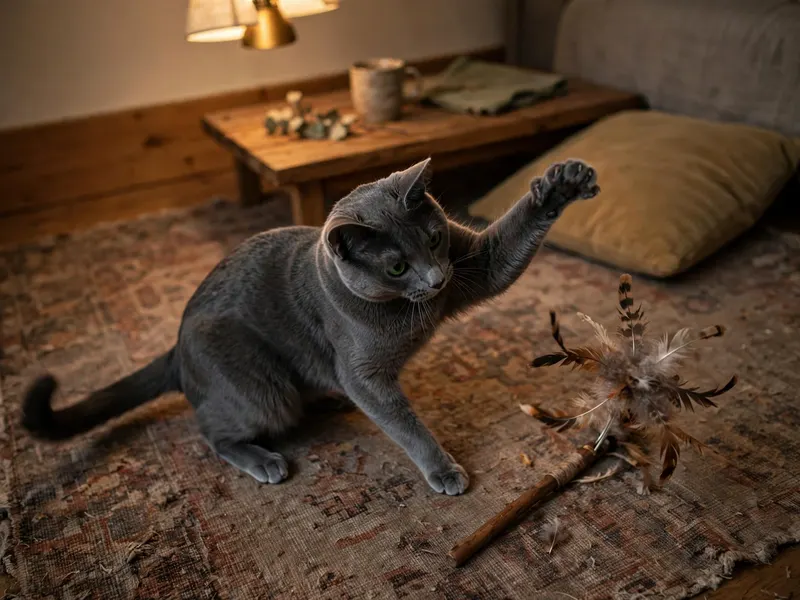
Russian Blue
Fine boned and athletic, with a body length of 15 to 18 in. Published spans run from 7 to 15 lb, so 7 to 12 lb is typical, not a hard limit.
| Breed | Adult weight, lb | Adult weight, kg |
|---|---|---|
| Oriental Shorthair | Females 5 to 8, males 8 to 12 | 2.3 to 5.4 |
| Bengal | Females 6 to 12, males 9 to 15 | 2.7 to 6.8 |
| British Shorthair | Females 8 to 11, males 10 to 16; overall 9 to 18 | 3.6 to 8.2 |
| American Shorthair | 8 to 15 | 3.6 to 6.8 |
| Russian Blue | 7 to 12 | 3.2 to 5.4 |
| Burmese | 6 to 12 | 2.7 to 5.4 |
| Persian | 7 to 12 | 3.2 to 5.4 |
| Scottish Fold | 6 to 13 | 2.7 to 5.9 |
| Manx | 8 to 12 | 3.6 to 5.4 |
| Birman | 8 to 14 | 3.6 to 6.4 |
A 16 lb male British Shorthair outweighs a 12 lb female Norwegian Forest Cat. Use the weight range, split by sex.
Large Cat Breeds (Over 12 lb)
Large typically means over 12 lb, with males often at 15 to 20 lb or more. Large means more food, bigger equipment, and slower maturity. A Ragdoll matures at 4 years, a Norwegian Forest Cat at 5 years, and a Maine Coon at 3 to 5 years.
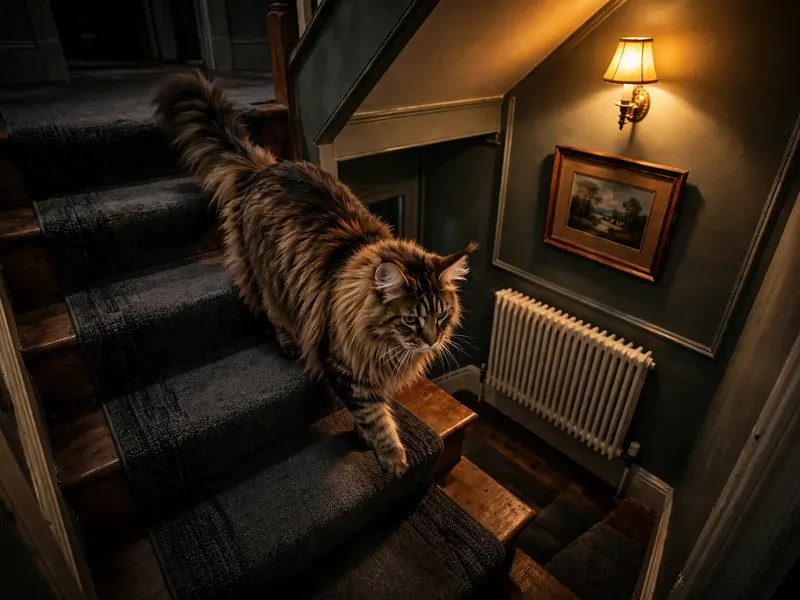
Maine Coon
The largest non hybrid domestic breed by weight, maturing slowly at 3 to 5 years. TICA publishes two different ranges for the same breed.
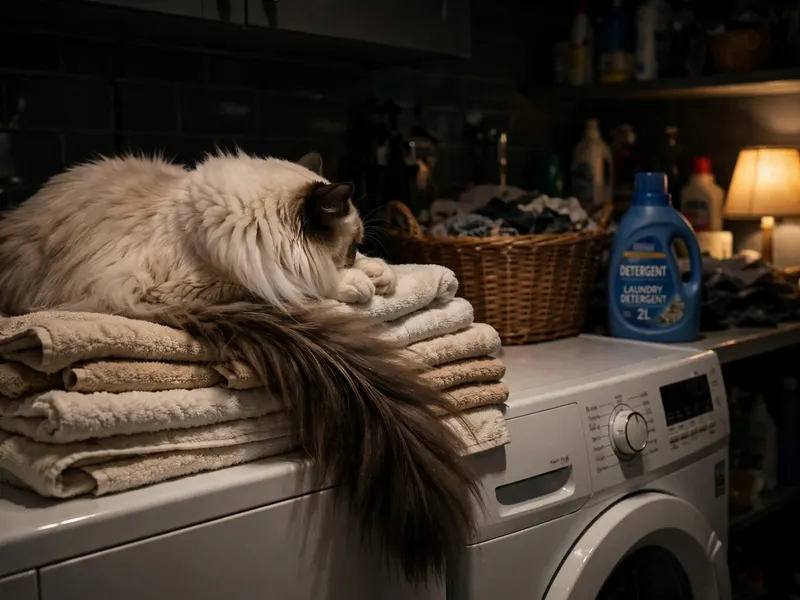
Ragdoll
A solid, heavy-boned breed that matures at 4 years, with males at 15 to 20 lb. CFA agrees that the largest males can reach or exceed 20 lb.
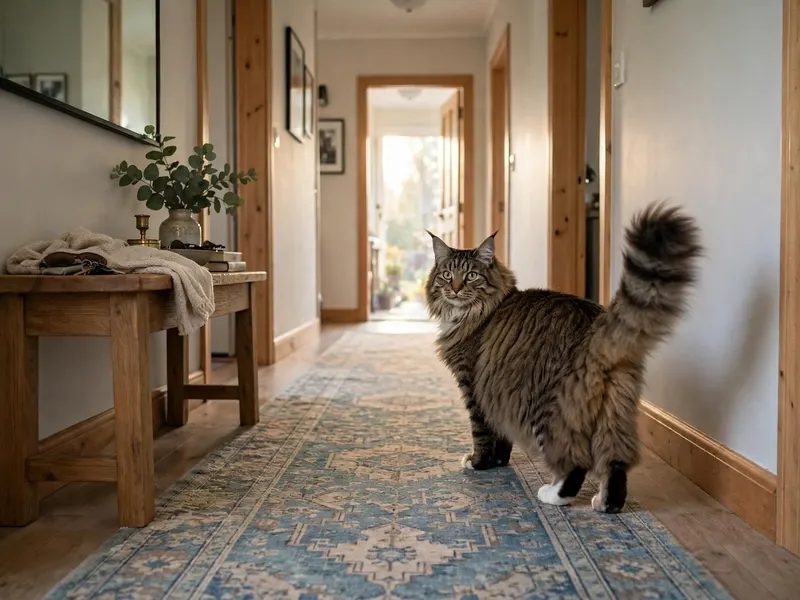
Norwegian Forest Cat
A thick-coated breed that looks bigger than it weighs, fully grown at 5 years. Published spans run to 23 lb, but that top is a high outlier.
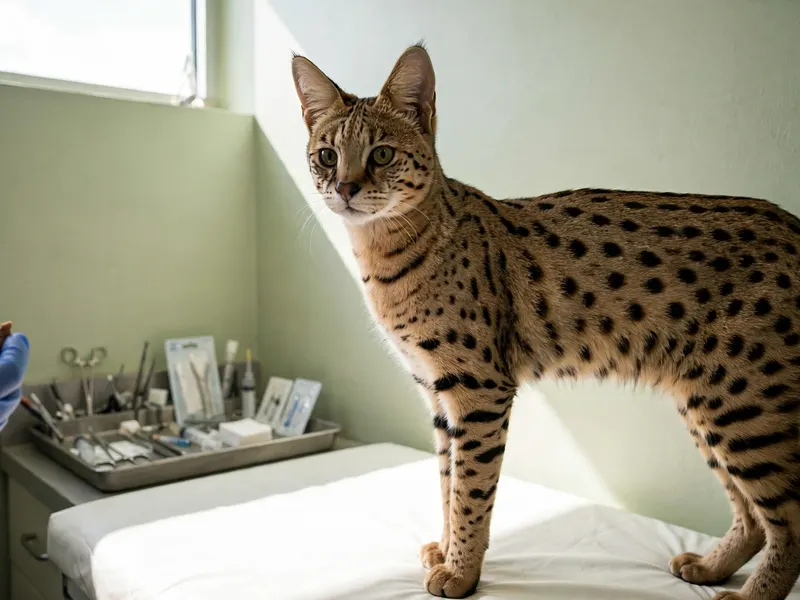
Savannah
The tallest domestic breed, standing 14 to 17 in at the shoulder. TICA does not publish a single weight for it, because generation drives size.
Maine Coon honest numbers. TICA profile males 18 to 22 lb, females 12 to 15 lb; introduction males 13 to 18 lb, females 9 to 13 lb. Measured lean averages are males 13.4 lb and females 10.6 lb. A weight of 25 lb is an exceptional neutered male.
| Breed | Adult weight, lb | Adult weight, kg |
|---|---|---|
| Maine Coon | Females 12 to 15, males 18 to 22 (TICA profile); overall published span 10 to 25 | 4.5 to 11.3 |
| Savannah | 12 to 25 by generation; F1/F2 heaviest, F4/F5 11 to 18 | 5.4 to 11.3 |
| Norwegian Forest Cat | Females 8 to 12, males 12 to 18 | 3.6 to 8.2 |
| Ragdoll | Females 10 to 15, males 15 to 20 | 4.5 to 9.1 |
| Siberian | 10 to 20 (males 15 to 20, females 10 to 15) | 4.5 to 9.1 |
| Turkish Van | 9 to 20 (males 12 to 18, females 7 to 12) | 4.1 to 9.1 |
| Ragamuffin | 10 to 20 (males 14 to 20, females 10 to 15) | 4.5 to 9.1 |
| Chausie | 12 to 25 (typical male about 15, up to 26) | 5.4 to 11.3 |
| Pixiebob | 8 to 17 (up to 17) | 3.6 to 7.7 |
| American Bobtail | 7 to 16 | 3.2 to 7.3 |
Savannah generation box. F1 and F2 Savannahs are the heaviest, at 12 to 25 lb and above. F4 and F5 Savannahs, which most pet owners live with, are typically 11 to 18 lb. Ask a breeder for the generation, and check local law, because Savannahs are illegal in some areas.
The Chausie is given at 12 to 25 lb, with a typical male at about 15 lb and up to 26 lb, from four sources. One source lists 9 to 15 lb, a clear outlier, and is not used as the main range. The Pixiebob is given at 8 to 17 lb on thin verification, so treat that row as less settled than the Ragdoll row.
What “Size” Really Means: Weight, Height, Length and Build
Weight is the number readers search for, but two cats at the same weight can look completely different. The six CFA body types explain much of the difference. Cobby breeds, such as the British Shorthair and Manx, are low, broad, and compact. Semi-cobby breeds, such as the American Shorthair and Burmese, are sturdy and rounded. Muscular or foreign breeds, such as the Russian Blue and Abyssinian, are fine boned and athletic. Oriental breeds, such as the Siamese and Cornish Rex, are long and slender. Long and substantial breeds, such as the Maine Coon and Ragdoll, are large and heavy boned. Semi-foreign breeds, such as the Devon Rex and Japanese Bobtail, sit between the two.
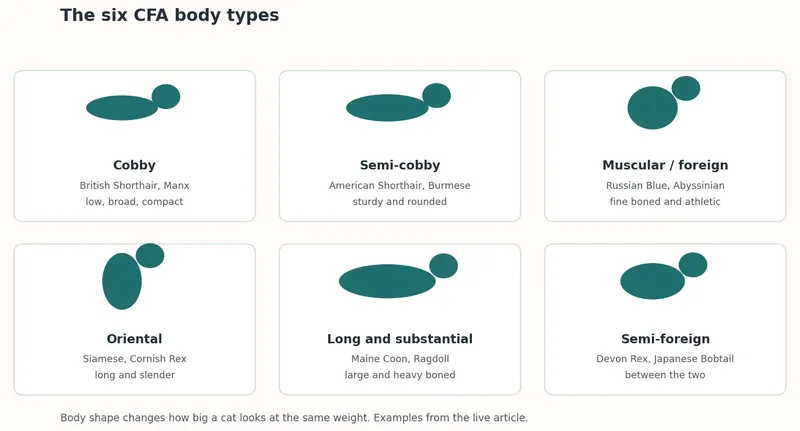
The coat illusion matters too. A Norwegian Forest Cat looks bigger than it weighs because of a thick double coat.
When Do Cats Reach Their Full Size?
Growth is not finished at one year for every breed. Small breeds finish early, medium breeds finish in the second year, and large breeds keep filling out for years.
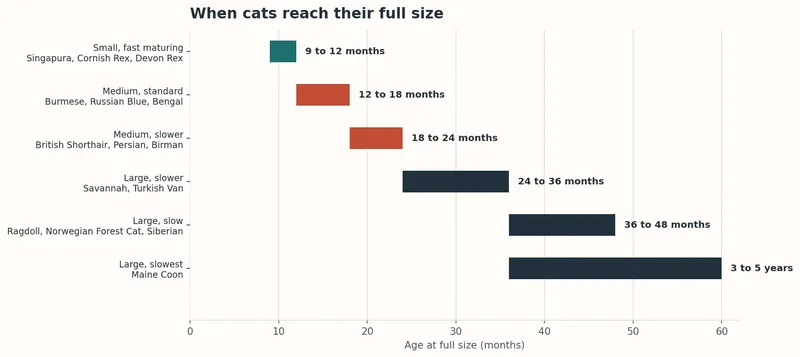
| Maturity band | Age at full size | Breeds |
|---|---|---|
| Small, fast maturing | 9 to 12 months | Singapura, Cornish Rex, Devon Rex, Munchkin, Oriental Shorthair, Sphynx |
| Medium, standard | 12 to 18 months | Abyssinian, Burmese, Russian Blue, Bengal, Tonkinese, Egyptian Mau, Japanese Bobtail |
| Medium, slower | 18 to 24 months | American Shorthair, British Shorthair, Persian, Scottish Fold, Birman, Bombay, Chartreux |
| Large, slower | 2 to 3 years | Savannah, Turkish Van |
| Large, slow | 3 to 4 years | Ragdoll, Norwegian Forest Cat, Siberian |
| Large, slowest | 3 to 5 years | Maine Coon |
The maturity table includes a few breeds that are not in the main 30, such as Sphynx, Abyssinian, Tonkinese, Egyptian Mau, Bombay, and Chartreux, because the timeline bands are drawn from the wider maturity literature. A kitten’s weight at 16 weeks, doubled, gives an approximate adult weight. Breed predicts about 60 to 70 percent of adult size.
Which Size Cat Fits Your Home and Lifestyle?
If you are still narrowing down breeds, our cat breed quiz can help you weigh size alongside temperament and energy, and our new cat owner starter kit covers the first supplies every size needs. Small is not automatically better for apartments: a 10 lb Bengal needs more space than a 15 lb Ragdoll.
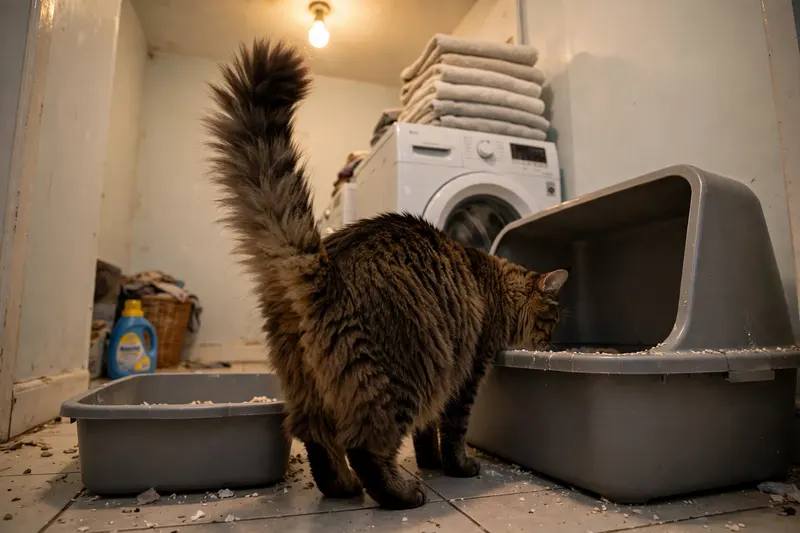
A litter box should be at least 1.5 times the cat’s length from nose to tail base, so a long bodied Maine Coon needs a box that looks oversized to a small breed owner. See our guide to the best litter boxes for sizing detail. Check the best cat carriers for extra large options, the best cat beds for wide beds, the best scratching posts for tall stable posts, and the best cat houses guide for outdoor shelter sizing.
Give an active breed sturdy cat trees and interactive cat toys. Grooming is about coat, not size, so read our guide on how to groom your cat at home.
Big Cat or Overweight Cat?
A large breed is not an excuse for fat gain, and a naturally large frame does not hide gradual weight gain. Body condition scoring is the check vets use, described by the VCA in terms any owner can learn. Ribs should be easy to feel under a thin layer of fat. Viewed from above, the cat should have a visible waist. If you cannot feel the ribs, or the waist has disappeared, the cat is likely carrying extra weight.
Judge weight against the breed range and the individual cat together. A 20 lb male Maine Coon with a visible waist may be a healthy large cat. A 14 lb female British Shorthair with no waist may be overweight, even though 14 lb sits inside her breed range. Any unexpected weight change deserves a vet check, and weight loss must be gradual and supervised.
Small, Dwarf and Teacup Cats: What Is Actually a Breed?
Small is a size. Dwarf is a body type. Teacup is a marketing label. The Munchkin is a recognized breed with short legs caused by a variant in the UGDH gene, while the body stays normal length. Owners should discuss mobility and skeletal screening with a vet.
Teacup is not a breed. No registry recognizes it. The label is used for undersized cats, often runts or cats whose growth has been stunted, and it is applied to kittens sold as staying tiny forever. The honest advice is to buy the cat, not the size.
Frequently Asked Questions
What is the smallest cat breed?
The Singapura is the smallest recognized breed, according to TICA, at 4 to 8 lb. The Toybob can be smaller still at 3 to 7 lb.
What is the largest cat breed?
The Maine Coon is the largest non hybrid domestic breed by weight. The Savannah is the tallest domestic breed by height, at 14 to 17 in.
What is considered a large cat?
A cat over 12 lb is generally considered large, and most large breeds weigh 12 to 18 lb.
What is considered a small cat?
A cat under 10 lb is generally considered small, from the 3 lb Toybob to the 10 lb Cornish Rex.
Do male cats get bigger than females?
Yes. Males average 15 to 20 percent heavier than females.
How big will my kitten get?
A kitten’s weight at 16 weeks, doubled, gives an approximate adult weight. Breed predicts about 60 to 70 percent of adult size.
When do cats stop growing?
Small breeds finish at 9 to 12 months, medium breeds at 12 to 18 months, and large breeds at 3 to 5 years.
Can a medium cat outweigh a large cat?
Yes. Ranges overlap, so a 16 lb male British Shorthair outweighs a 12 lb female Norwegian Forest Cat.
Are Savannah cats really 25 lb?
Only early generation F1 and F2 males reach that range. Most pet Savannahs, at F4 and later, are typically 11 to 18 lb.
Is a 25 lb Maine Coon normal?
No. Typical adult males run 13 to 22 lb, and measured lean averages are males 13.4 lb and females 10.6 lb. A weight of 25 lb is an exceptional neutered male.
Does a bigger cat need a bigger litter box?
Yes. A litter box should be at least 1.5 times the cat’s length from nose to tail base.
What is a teacup cat?
Not a breed. Teacup is a marketing label for undersized cats, and no registry recognizes it.
Sources and method. Weights were checked against at least two sources per breed. Registry sources: TICA and CFA breed pages and standards. Other sources: Trupanion, Pumpkin, Rover, Petfinder, Adopt-a-Pet, Litter-Robot, Everyday With Pets, Waggle, WhatIsMyCatBreed, and Size-Charts.com. Size bands are editorial labels, not registry standards. Kg figures are conversions from lb. Researched on 2026-11-07. For full profiles, start at the breeds hub, or see Maine Coon vs Ragdoll, Maine Coon vs Norwegian Forest Cat, and Bengal vs Savannah.